On air
Podcasting
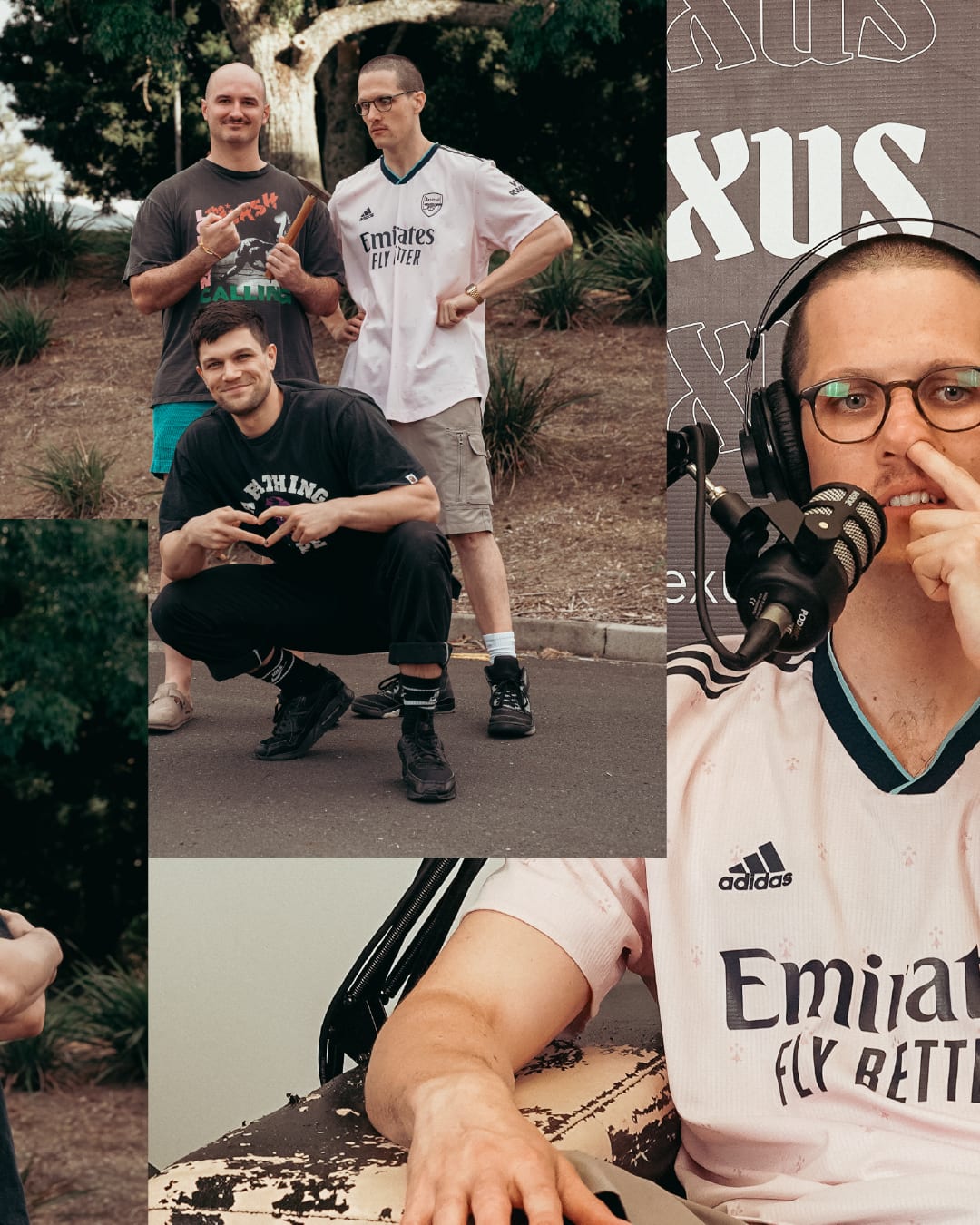
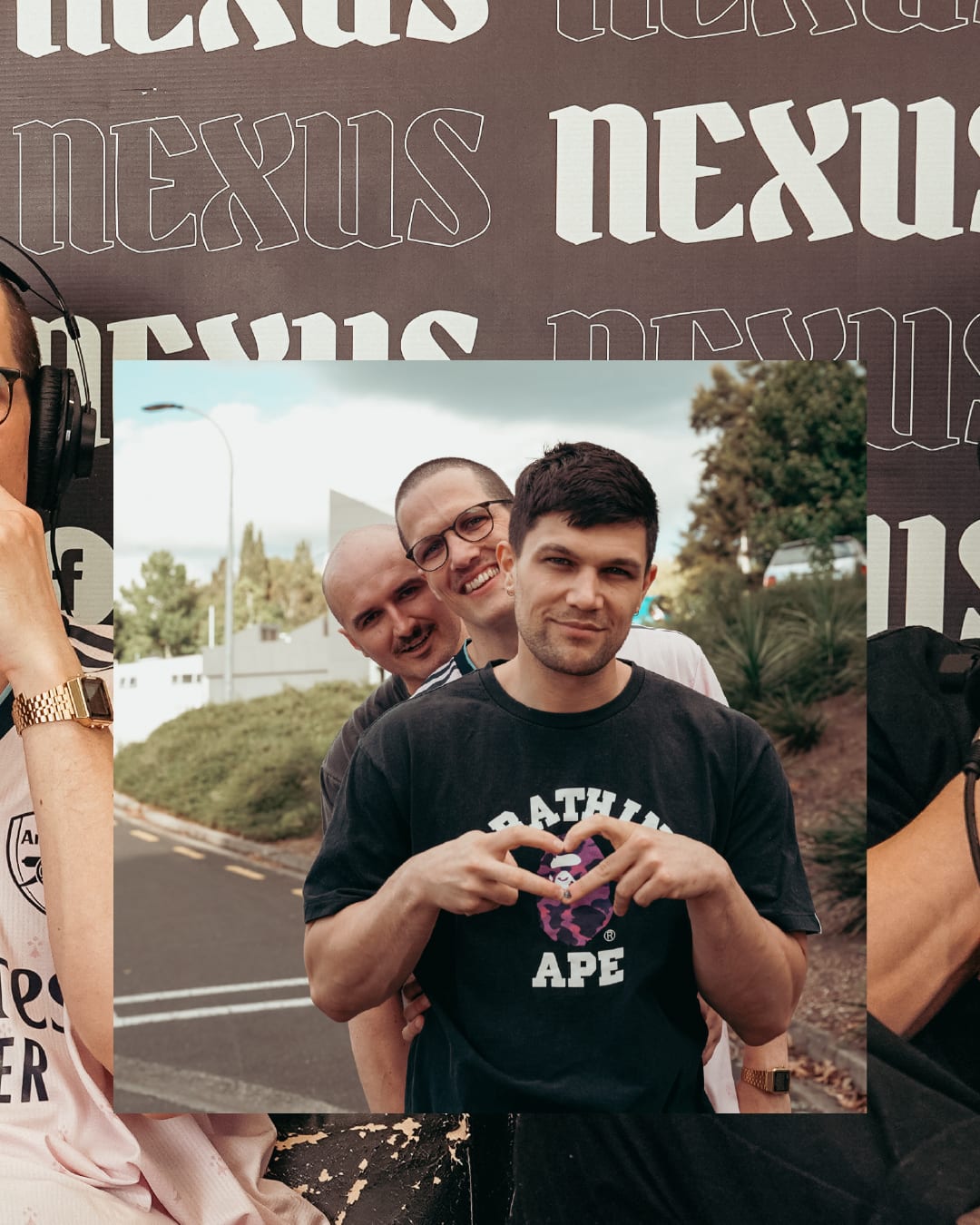
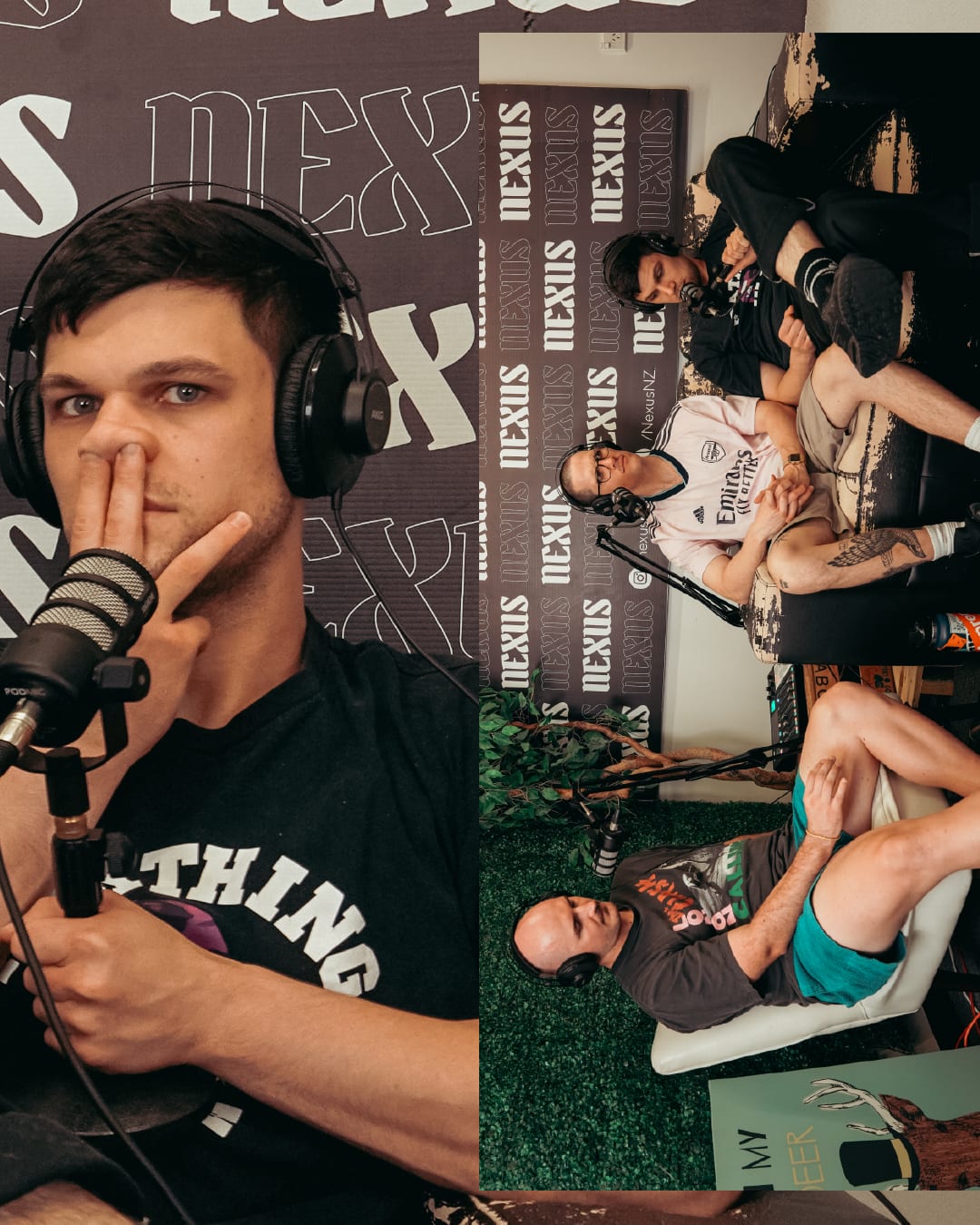
I developed multiple podcasts from the ground up, working with students and individuals to turn their ideas into finished productions. I managed the full creative process, including production, editing, promotion, and visual design. I produced multiple podcasts, each presenting its own creative and production challenges. These are three of my favourites created over the years.






Want to tune in?Click one to listen
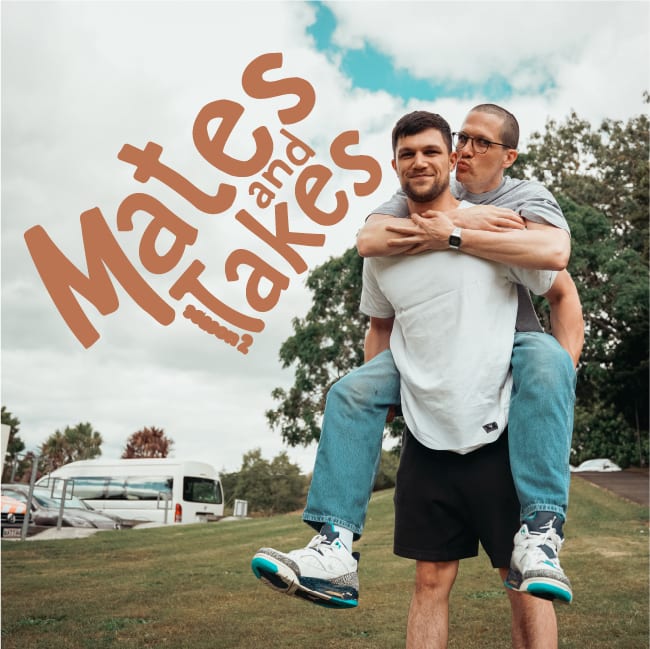
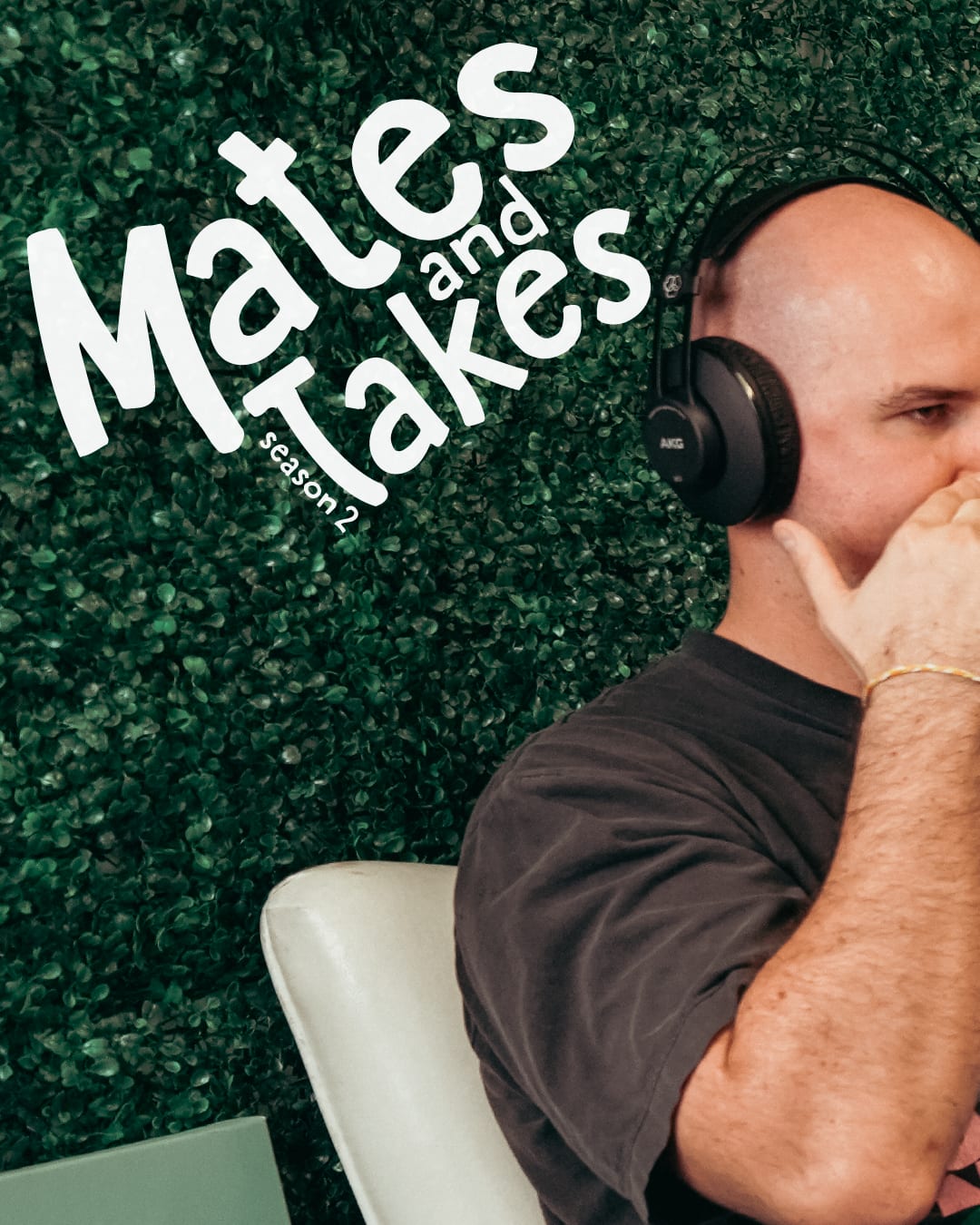
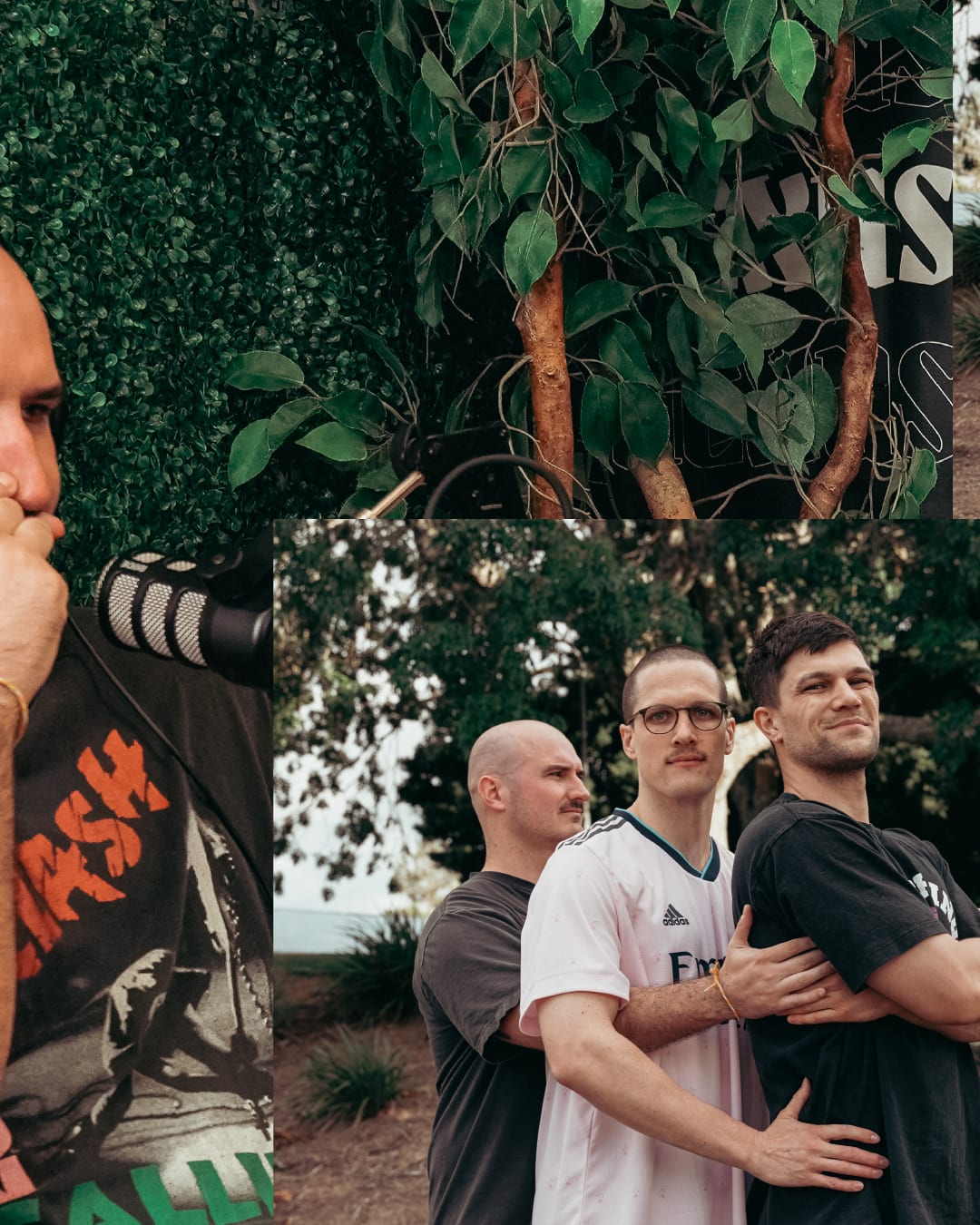
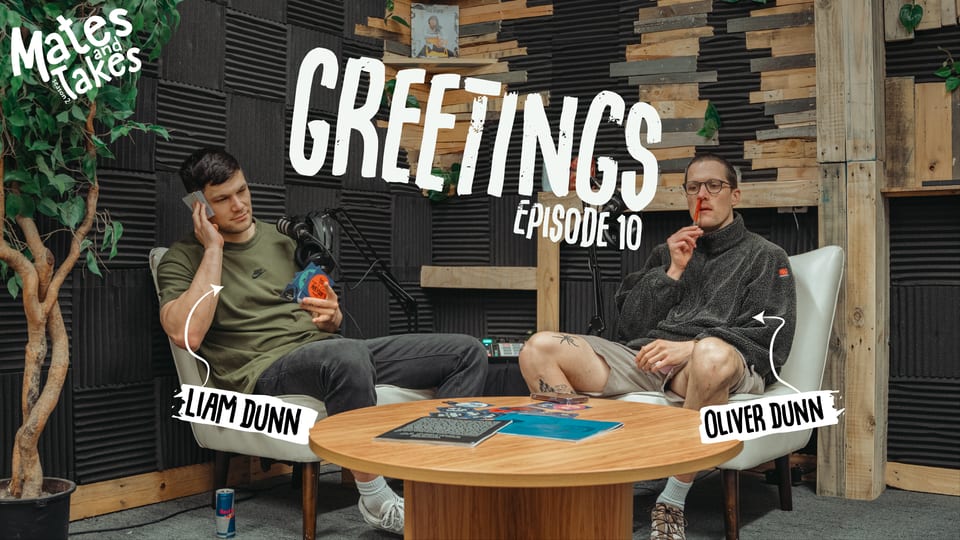
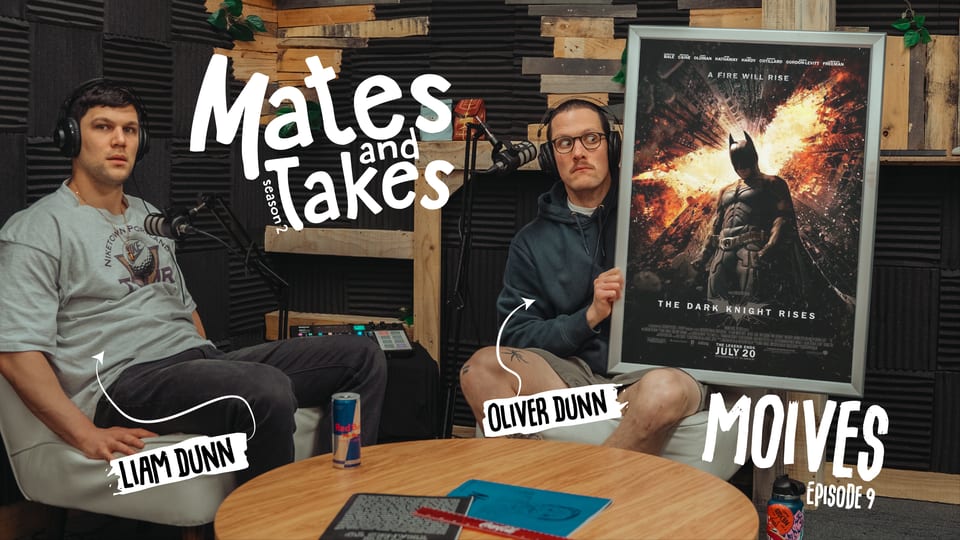
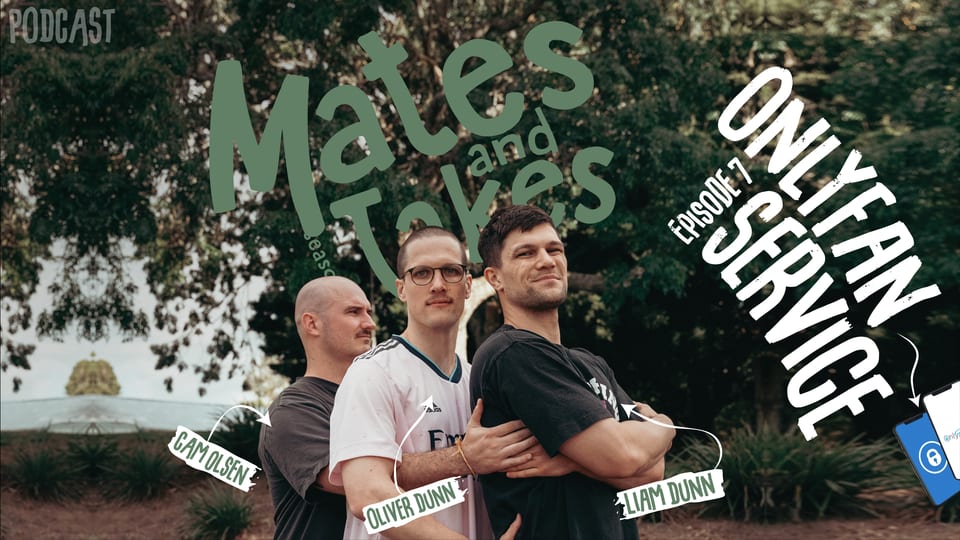
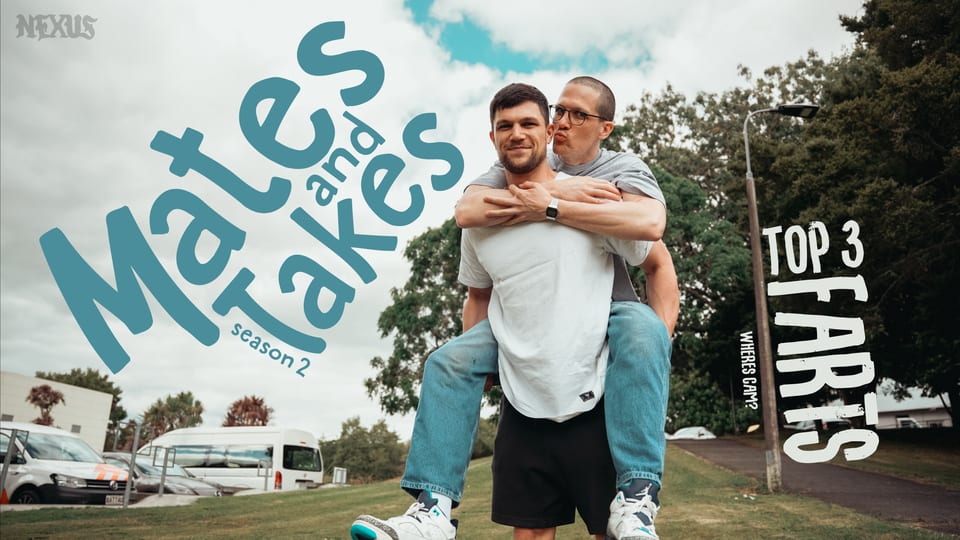
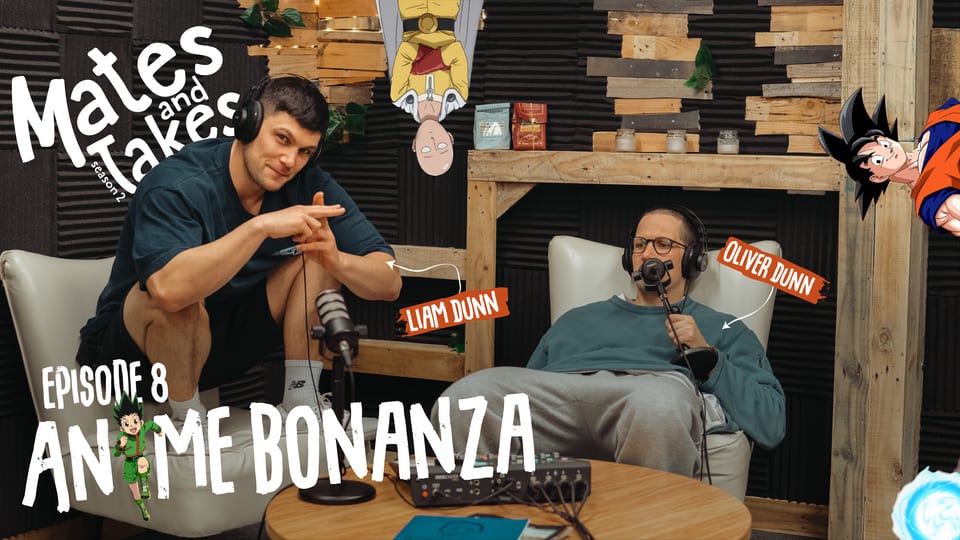
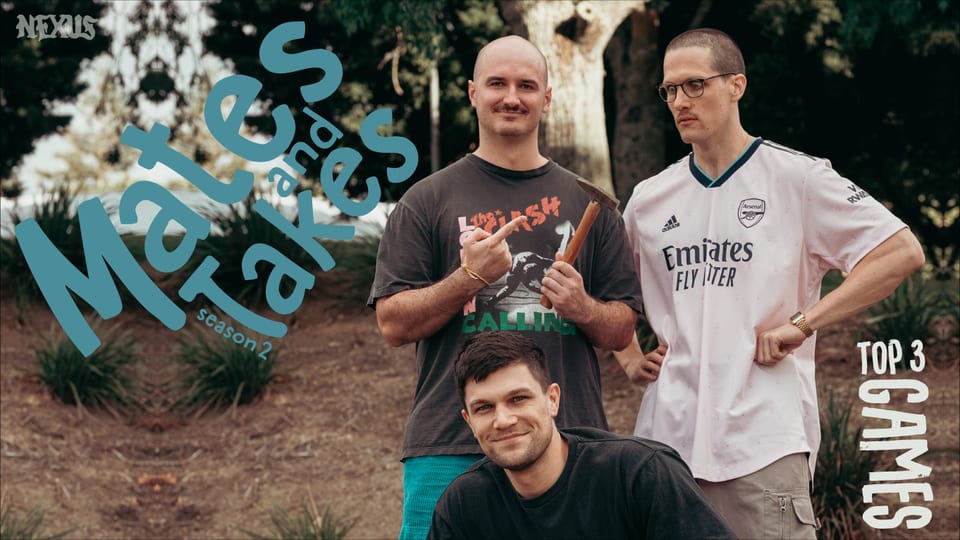
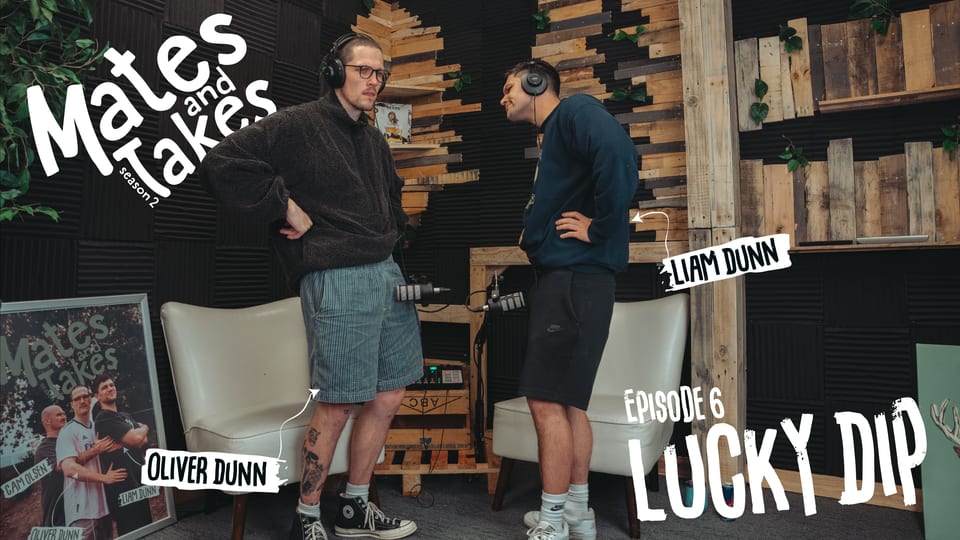
Mates and Takes was my second full-production podcast and ran for 2 seasons. Truely, one that carries some memories and the most difficult learning experiences. The idea and foundations of the podcast were presented to me, and my goal was to bring it to life and assist where I could. After a year of development and running it myself and the hosts, we were struck by the effects of Covid which took the world by surprise, which in turn brought everything to a halt. But a year later it was brought back and into the spotlight, a full rebranding was completed, and this podcast became the training and example podcast for many others to follow.
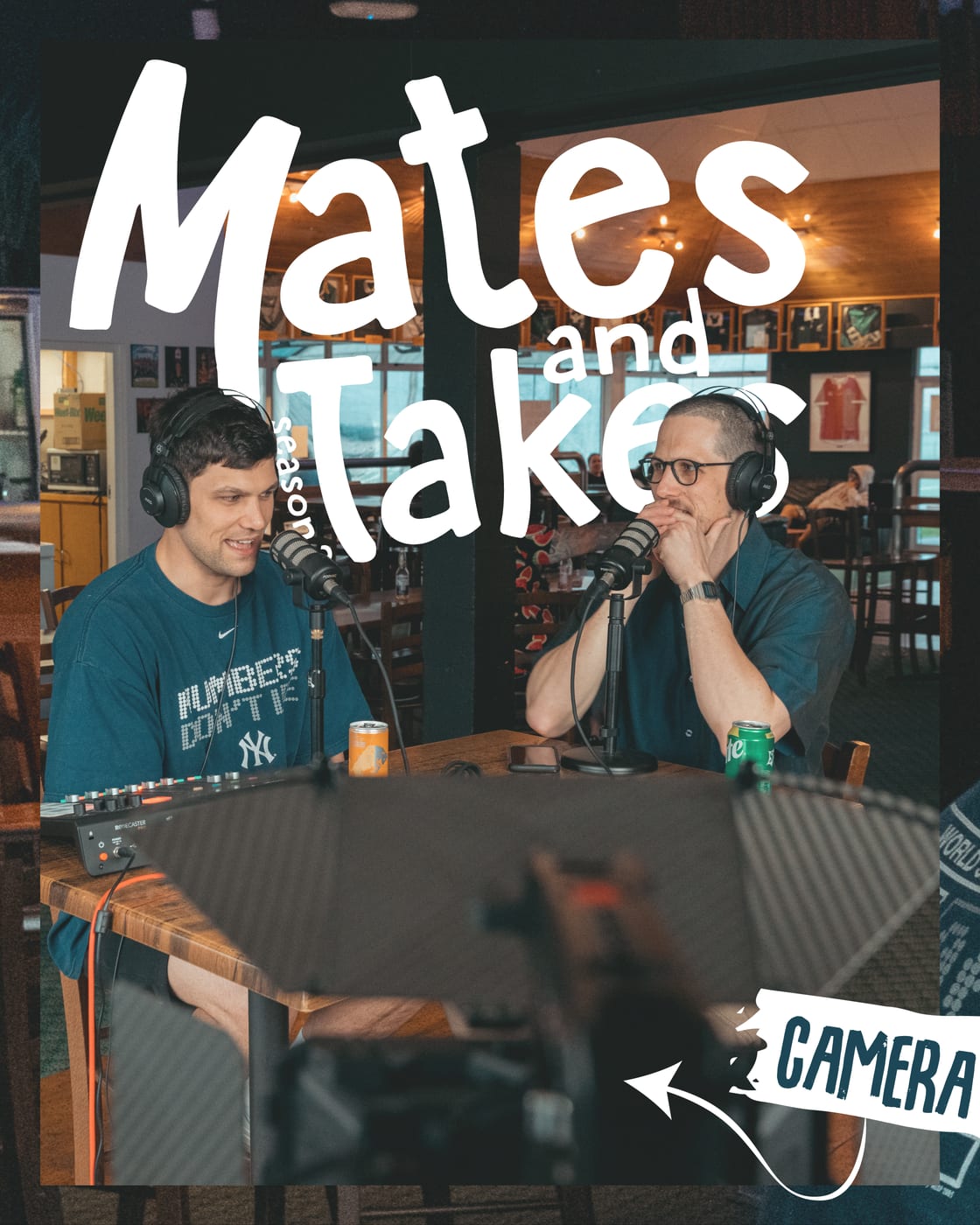
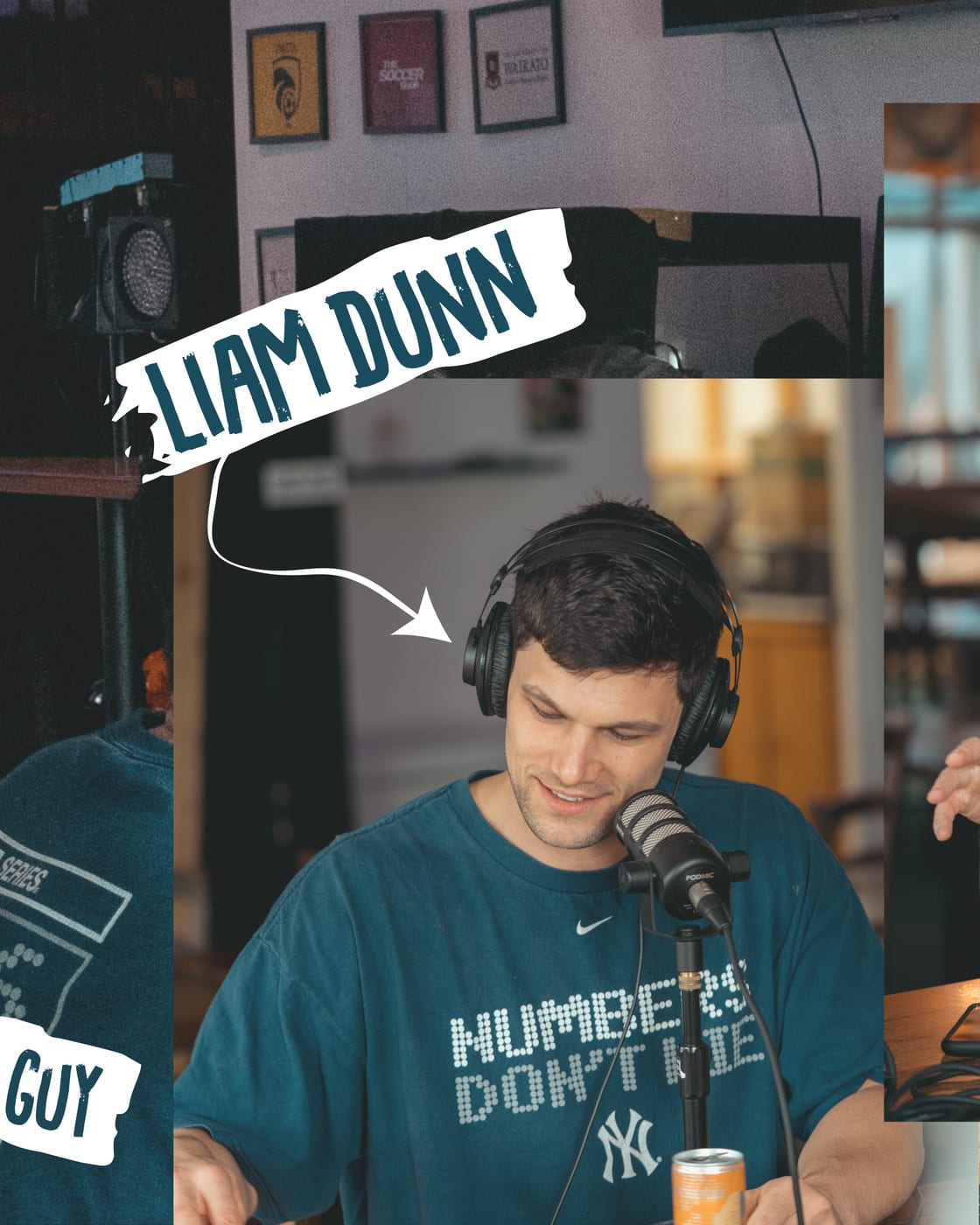
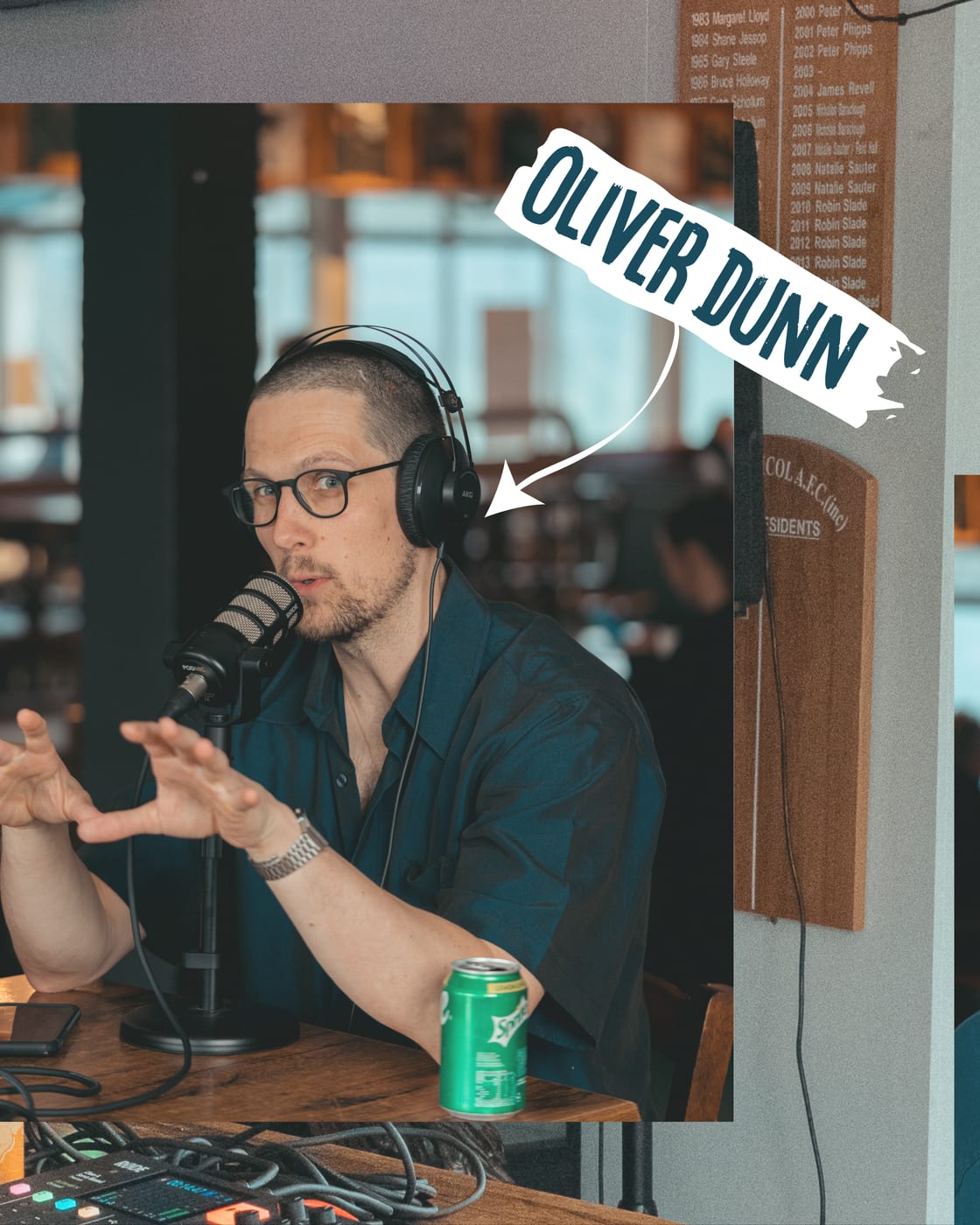
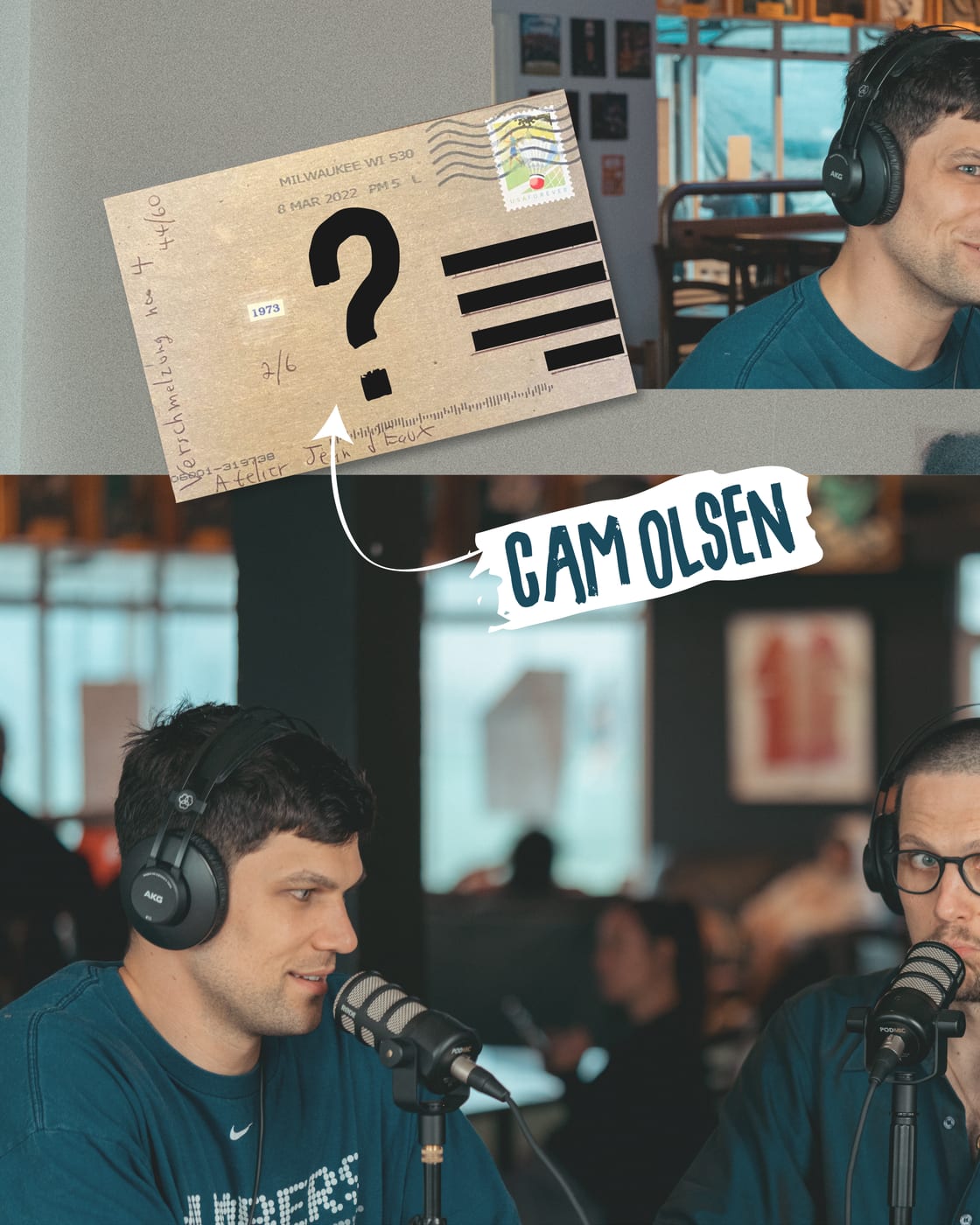
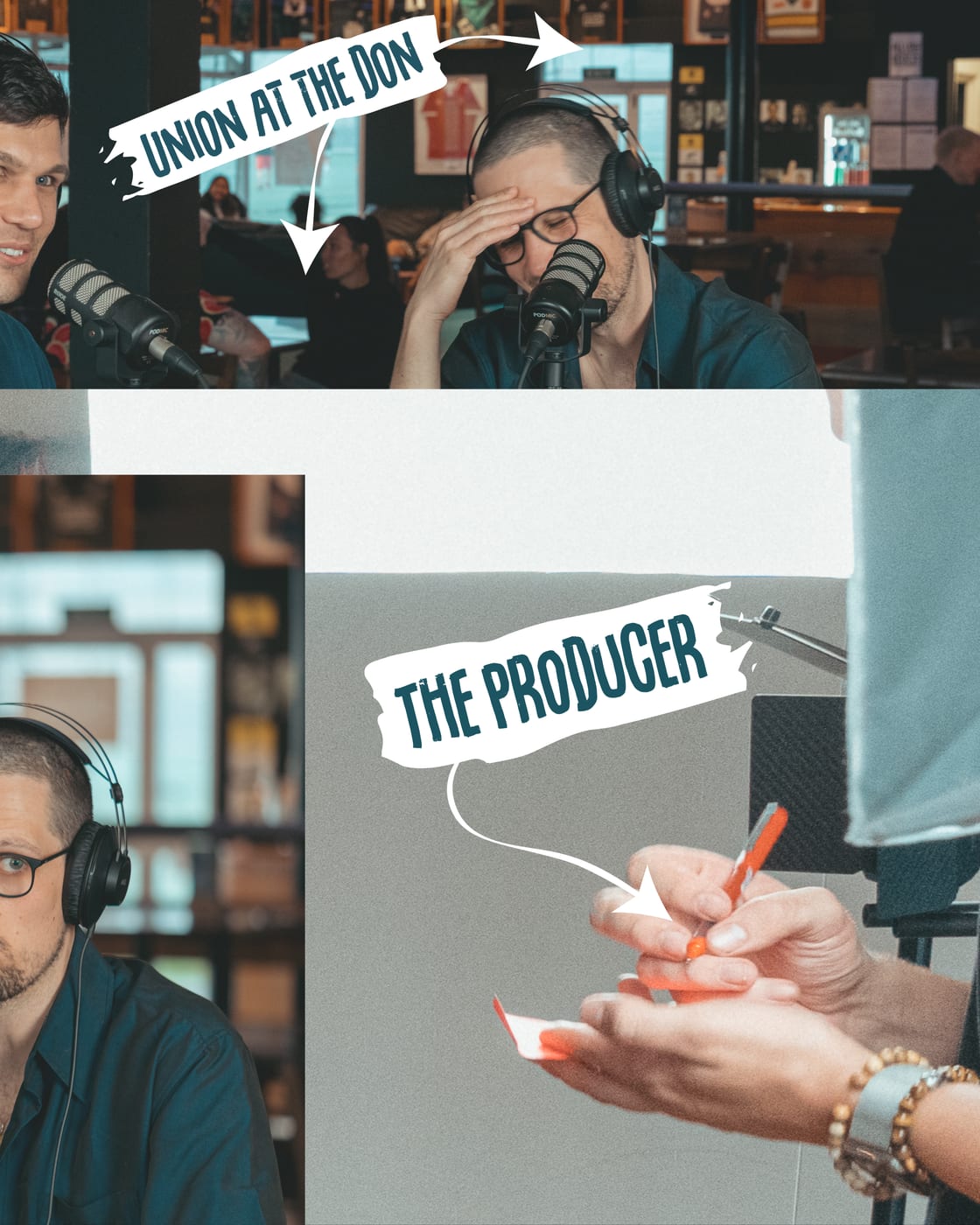
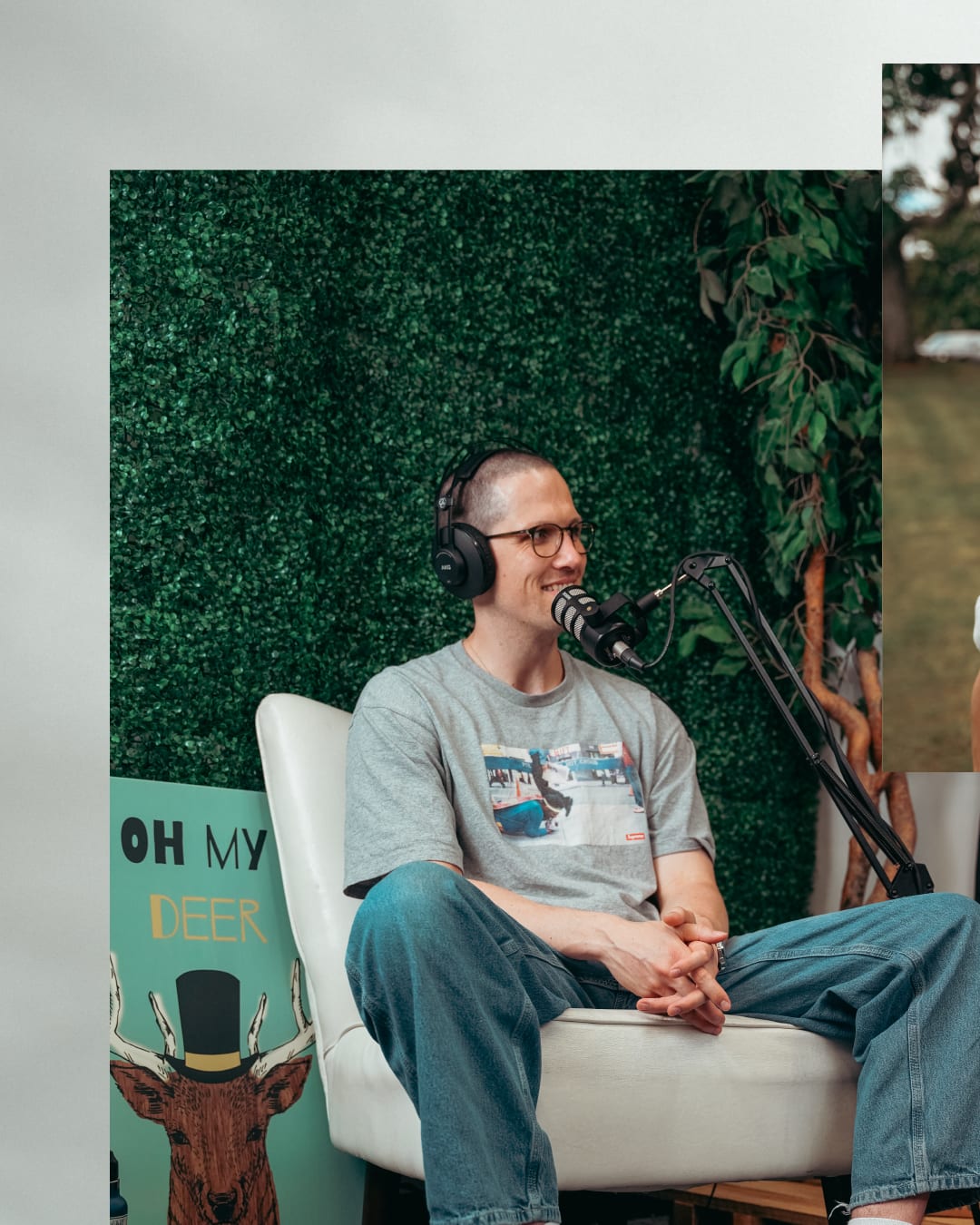
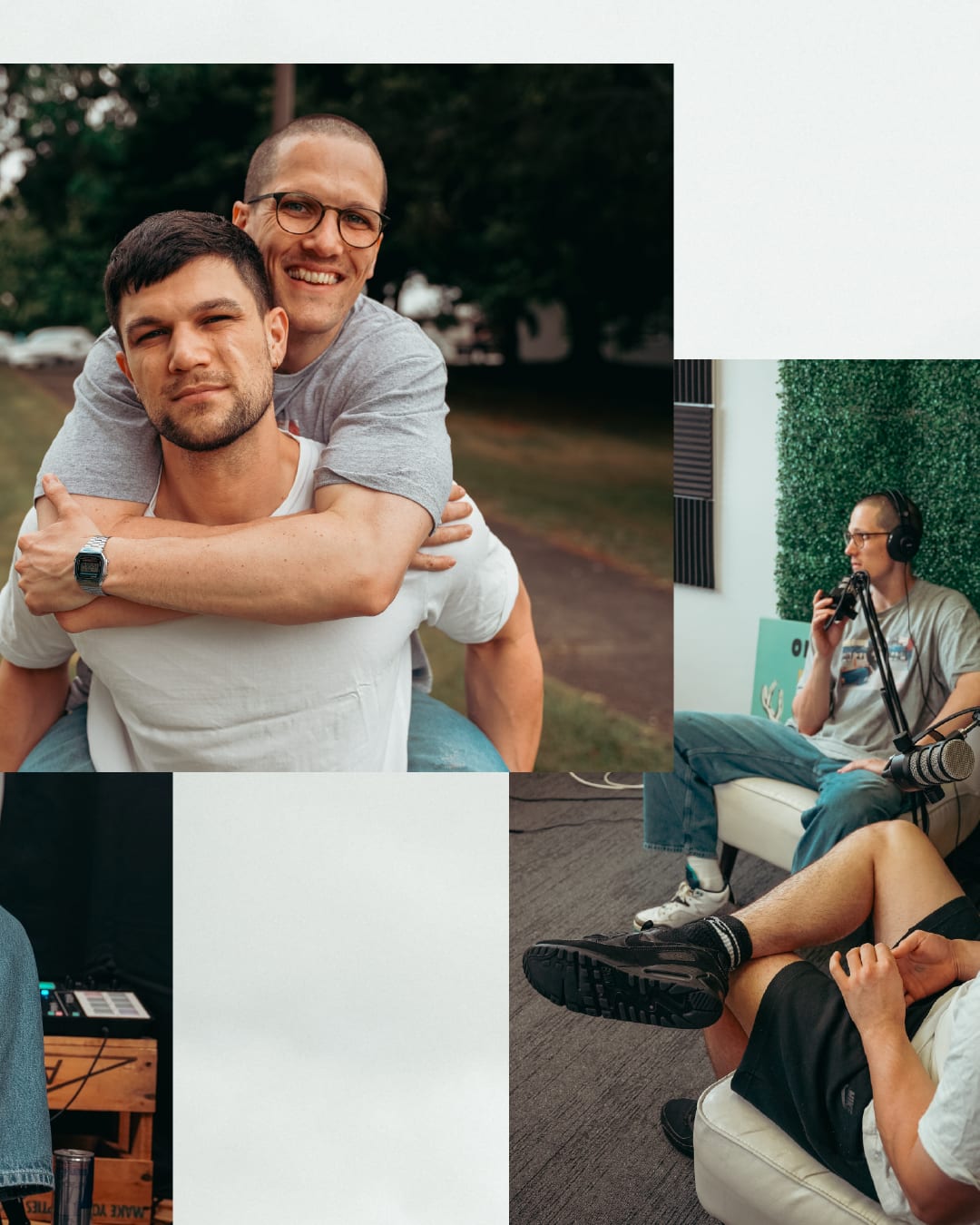
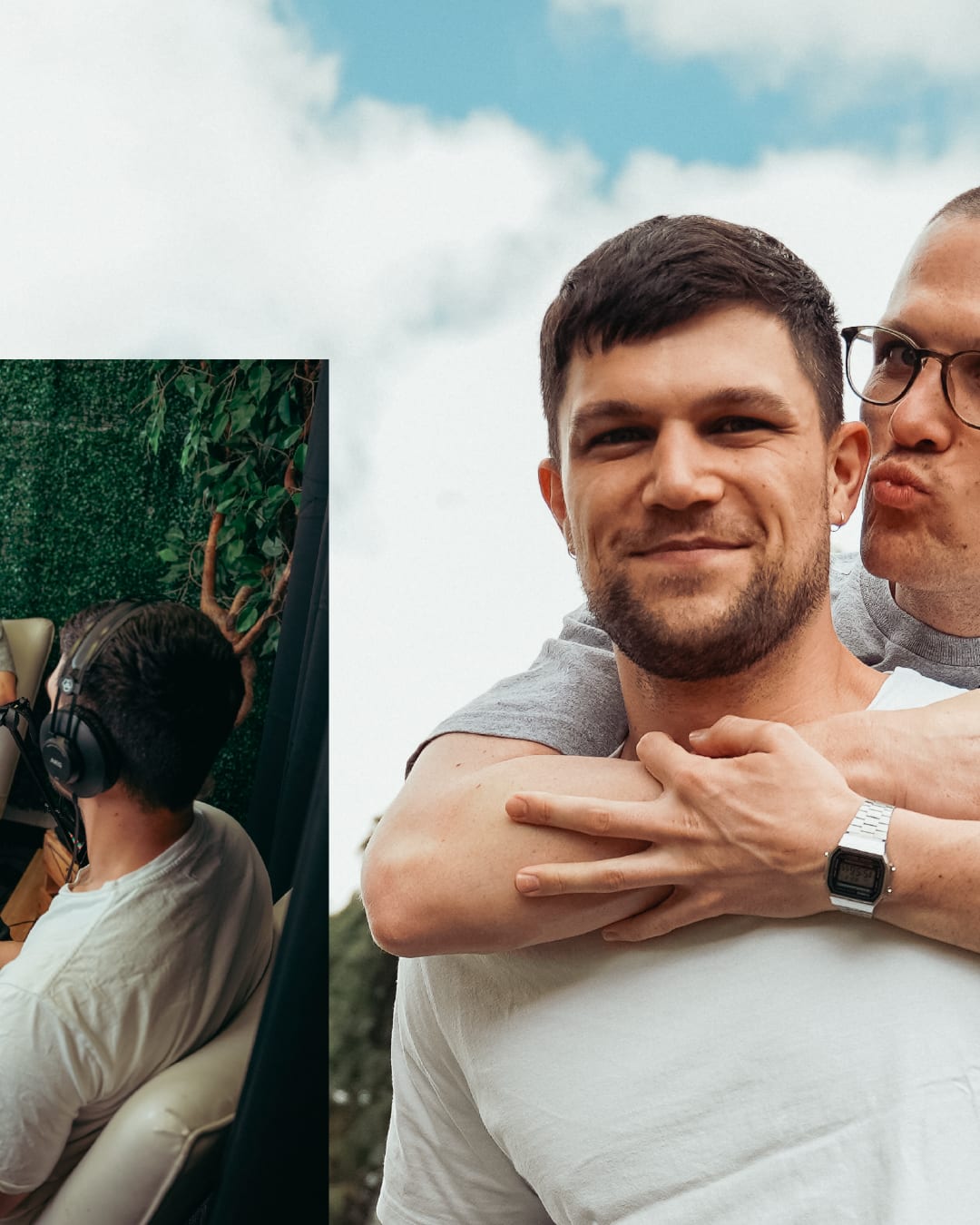
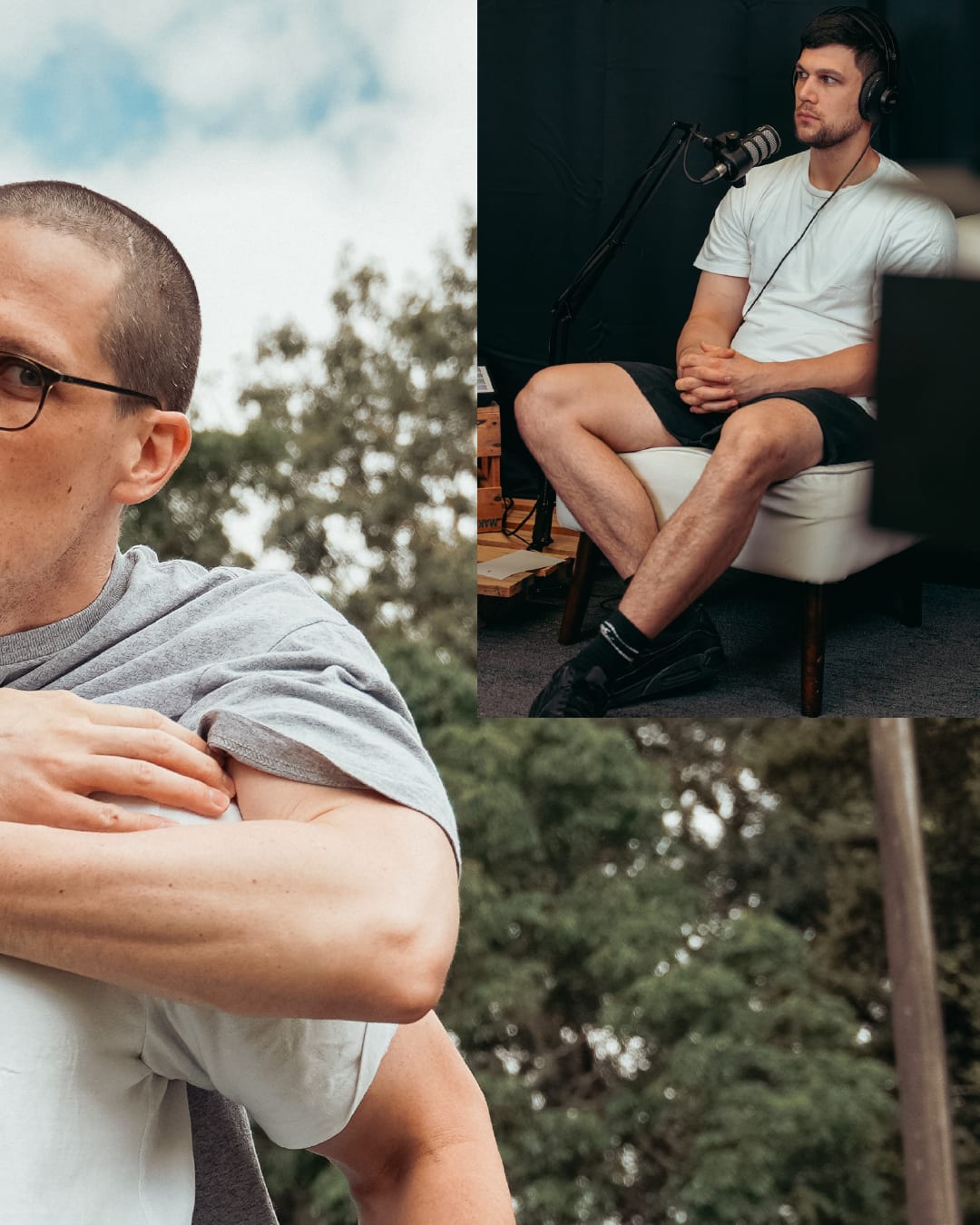
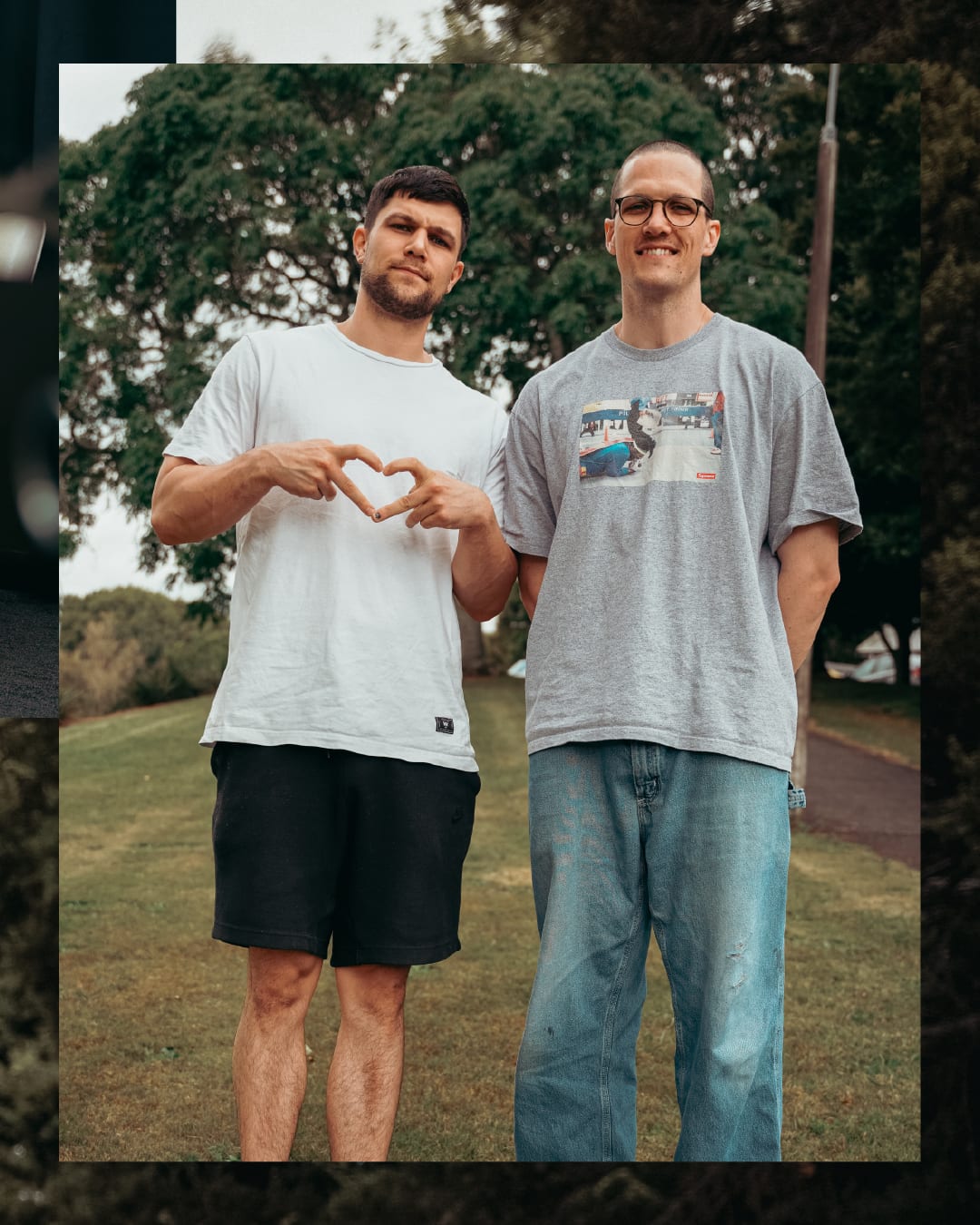
The most difficult challenge for this podcast was Covid, which prevented us from continuing the project because everyone was placed under lockdown. However, I’d like to point out that one of the main hosts (Cam Olsen) produced a successful episode during this time. After some time, covid died, and the challenge became picking up the pieces. So it was eventually decided that we would rebrand and continue the podcast with a different goal of having some fun and seeing how long it would continue for.
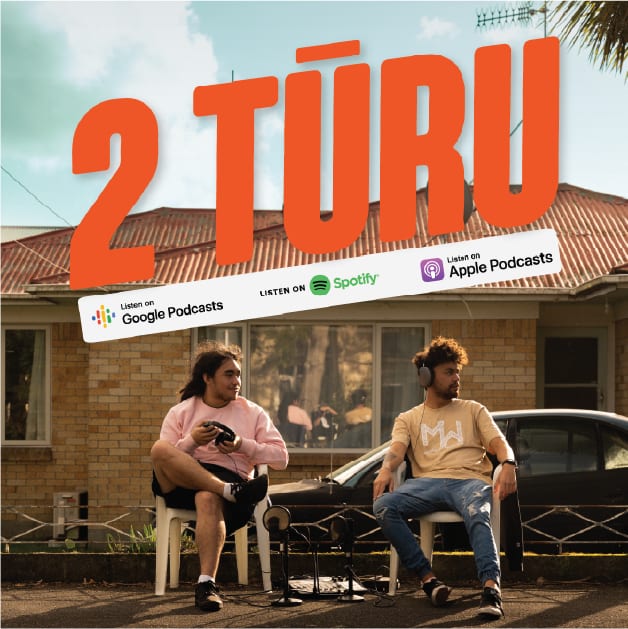
As my fourth large-scale podcast production, this project presented unexpected challenges that I grew to truly enjoy and respect. The show is described as “2 Māori, 2 chairs, 22 years of absolute wisdom and tomfoolery.” I worked alongside the hosts, Kae’sharn and Harley, who introduced me to Te Reo Māori and the correct Tikanga, as I was never fully raised in Aotearoa myself. It was a massive learning curve to grasp new vocabulary and the correct pronunciation; however, it has been very beneficial and rewarding, as from this podcast I got a couple of really cool opportunities later on.
Editing content in a language I didn’t speak was a major hurdle. However, with Kae’sharn’s guidance, I quickly found a system in which I could edit the podcast and also pick up on key details like their body language and speech patterns to shape my edits. In the end, I gained a profound respect for multicultural media and developed a much more streamlined workflow for feedback.
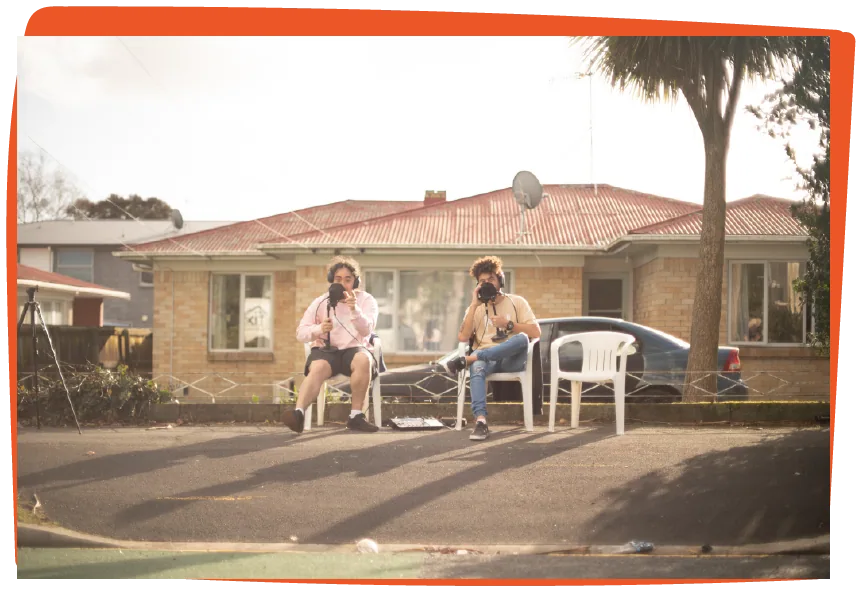
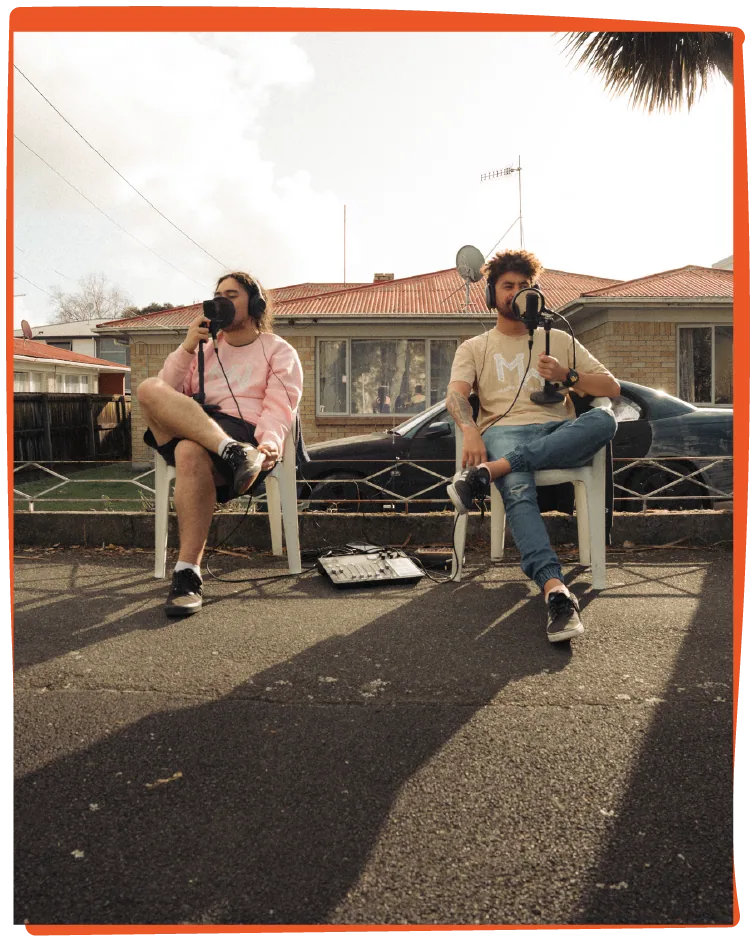
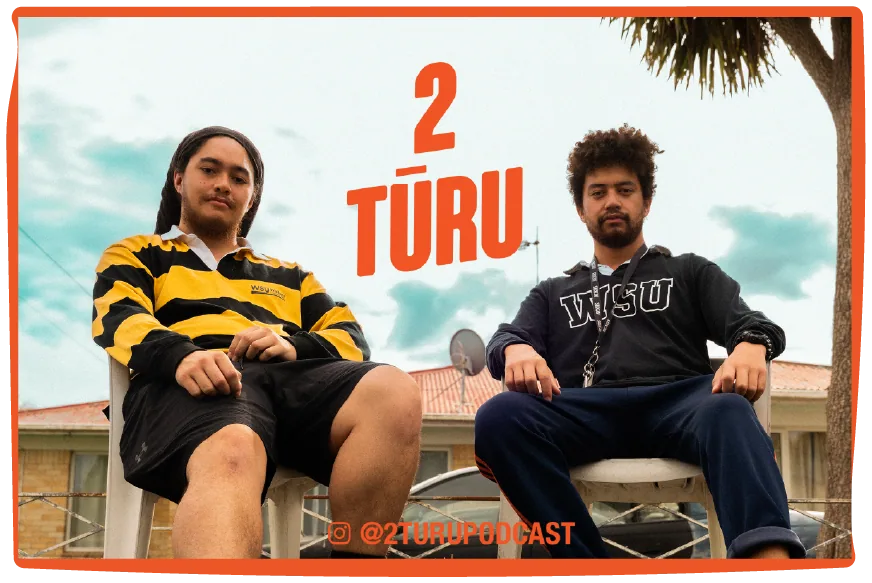
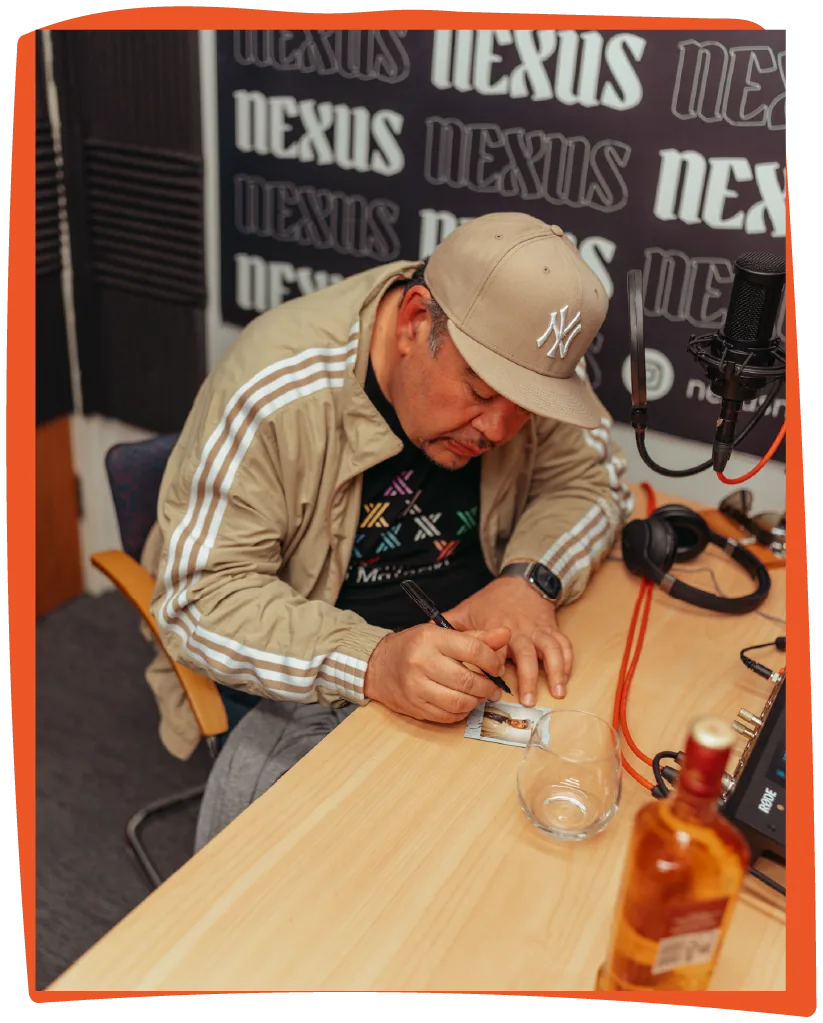
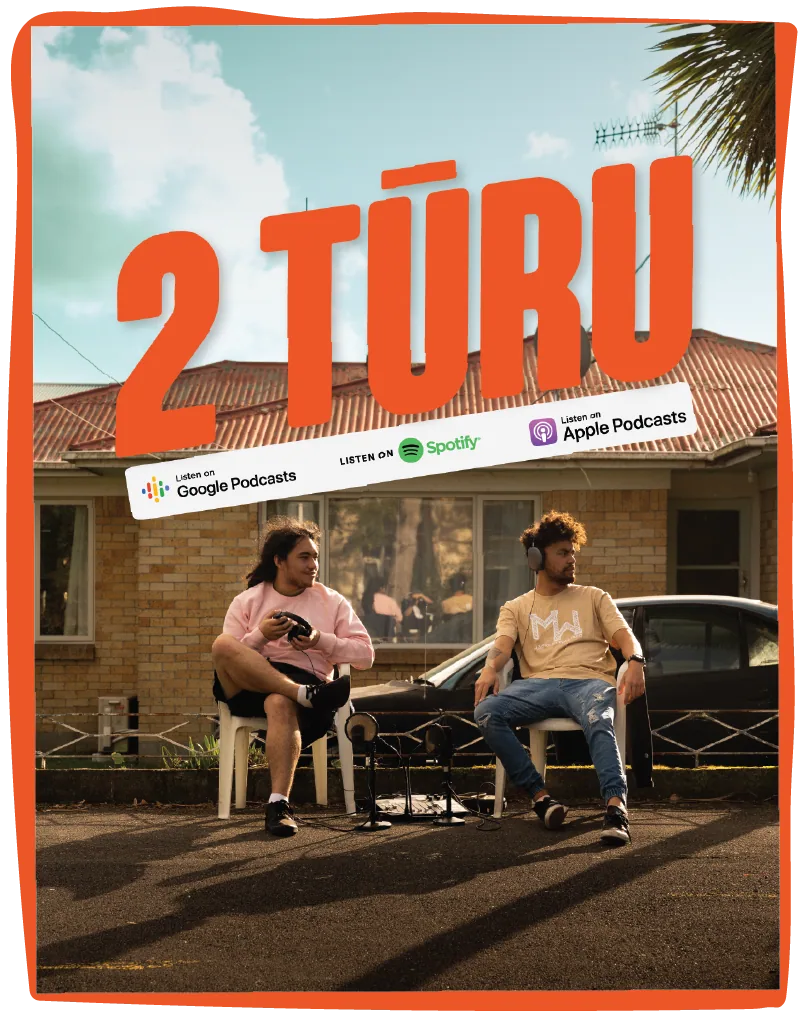
Another enjoyable challenge with this podcast was that I set myself the goal of saying yes to whatever crazy idea they would throw at me. The goal was to always give it a shot and see if we could execute it and bring that chaos and energy to the screen. This meant taking the podcast studio outside to different environments or events, pushing the system to its limit on how many people could be on a microphone. One memorable moment was recording a podcast episode live on the street, where the idea for this whole podcast came from. It required the podcaster and hosts to be on one side of the road with all of the audio gear, while I was placed on the crossing island with all of the camera gear and extra equipment. As a result, we interacted with passers-by and had many cars drive in and out of frame, resulting in some seamless cuts as well as some great interactions from the cars themselves cheering us on.
end.